
Research Models
We use the Power Threat Meaning Framework developed by Dr Lucy Johnstone and Mary Boyle, which challenges the medical model of mental health diagnosis. This evidences how the role of various types of power affects lives and creates physical and psychological suffering.
‘How is or was power operating in your life? How did it affect you? What meaning did you make of it?
Allowing exploration within this framework gives autonomy back to the individual to ‘own their story’ and therefore reclaim some power. In domestic violence and then through the family court system, survivors often feel powerless. Statistically domestic violence disproportionally affects individuals who already experience social inequalities, so often threats relating to experiences of power (or lack thereof) have lifelong and generational significance.
We will evaluate the project using qualitative and quantitative methods to understand its impact on participants, the community, and policy. Participants will reflect on their art and therapeutic journey, creating a visual record of growth and recovery. Wellbeing will be assessed using Warwick-Edinburgh Mental Wellbeing Scale (WEMWBS) at the start, midpoint, and end, alongside reflective journals and group discussions.
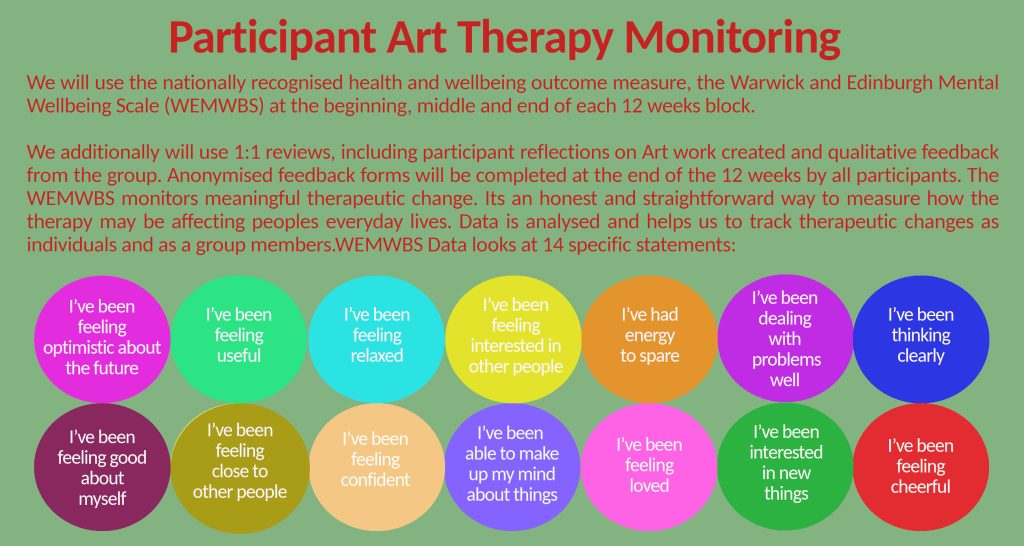
Learning and reflection will be embedded through regular feedback sessions, mid-project reviews, and facilitated discussions with practitioners and partners, enabling adaptive improvements.
Community and systemic impact will be measured through exhibition and conference engagement, drop-in workshops, audience feedback, and focus groups. Interactive engagement via the living art wall will allow visitors to respond to artworks in real time, capturing immediate reflections. Participatory evaluation will involve survivors in shaping how impact is measured and documented. Practitioner development will be assessed by gathering feedback and producing anonymised case studies for professional forums.
This approach ensures continuous reflection, documents change at individual and community levels, and demonstrates the project’s contribution to trauma-informed practice, social advocacy, and family court reform.
Current Programmes
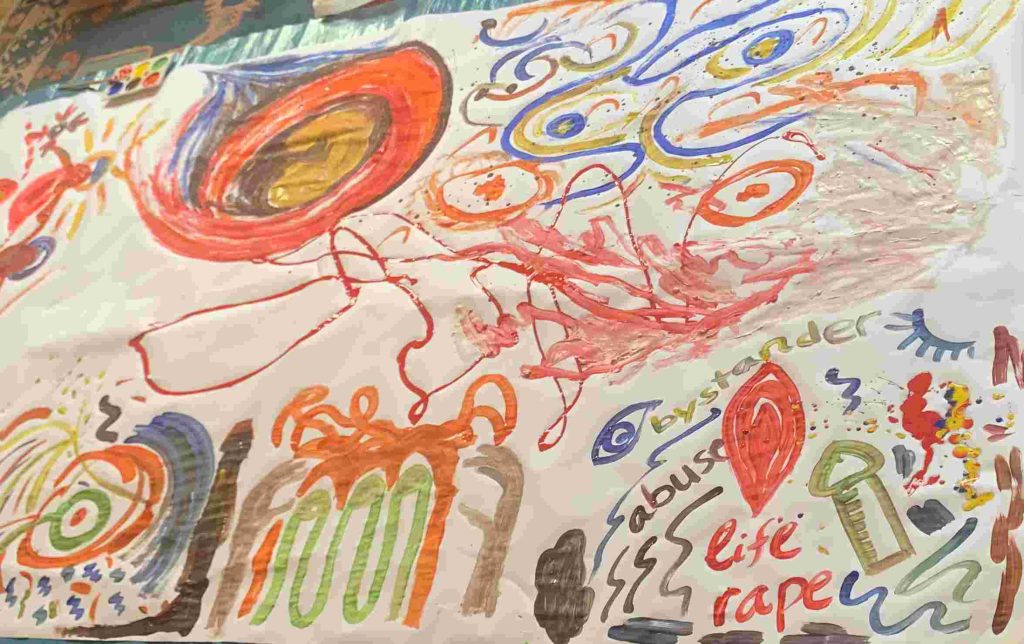
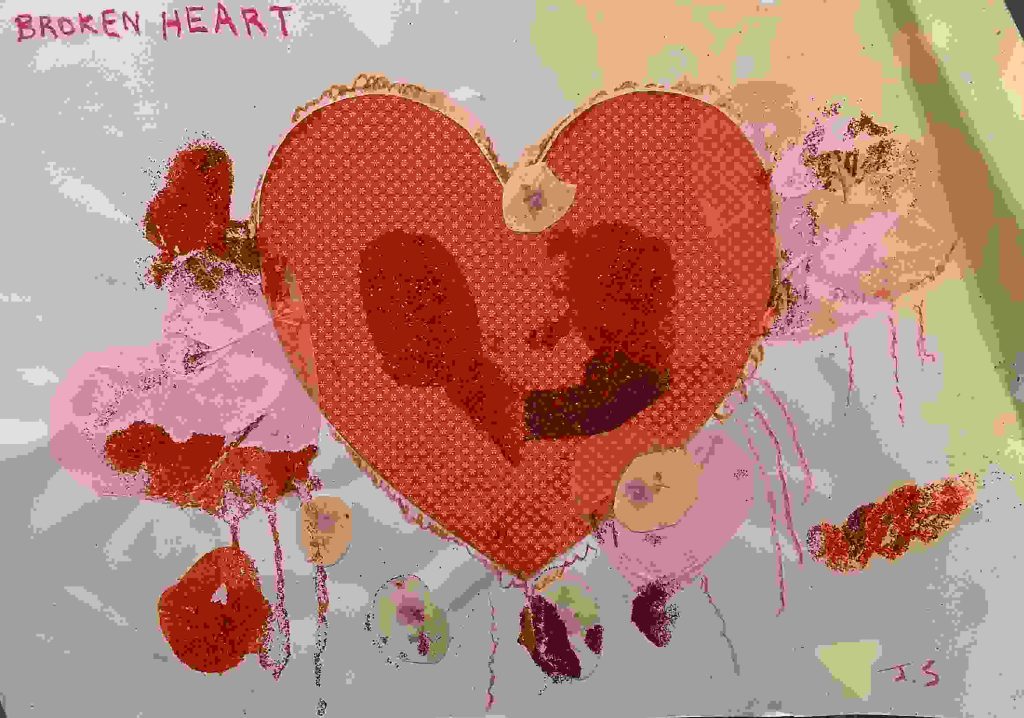
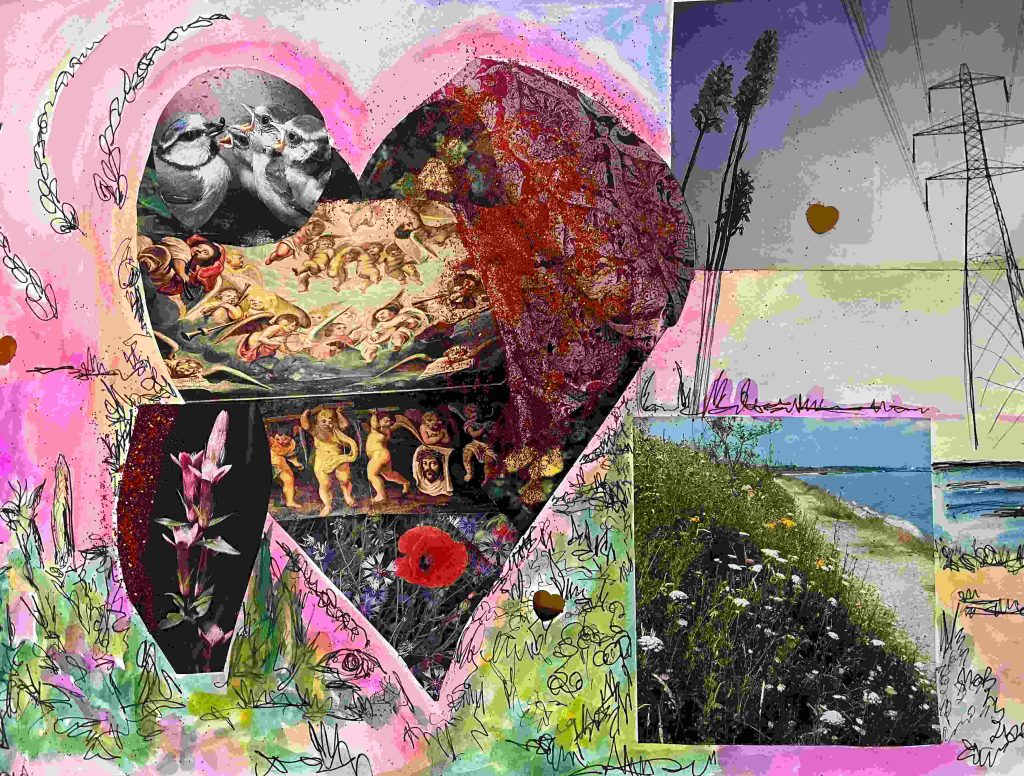
- Survivor-Led Artwork: Group Art Therapy workshops allowing women to feel supported and help create a path towards therapeutic change through visual expression.
- Family Court Advocacy: Using visual art to highlight systemic issues and inform training and policy.
- Exhibitions: Public events where artwork becomes advocacy, breaks myths and reaches out to people experiencing abuse.
- Research-Informed Practice: Grounded in post graduate research, clinical art therapy, and evidence-based approaches.
Exhibition and Conference
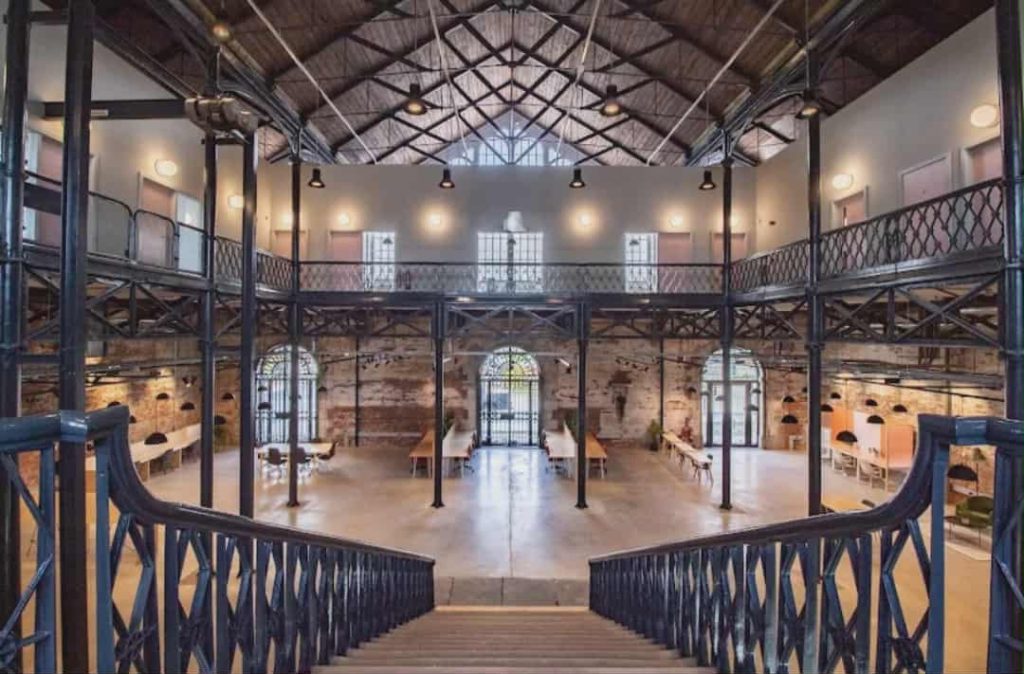
In June 2026 we will be hosting an exhibition in partnership with Real Ideas and Improving Lives Plymouth. We will showcase the work of our participants alongside professional artists whose work reflects domestic abuse and the legal system. The exhibition will be hosted at The Market Hall, Devonport.
Our work evolves as needs shift. While family court initiatives may change over time, our commitment to survivor-led, therapeutic, and advocacy-driven art remains central.