26 June 2026 – Conference: From Survival to Systemic Change
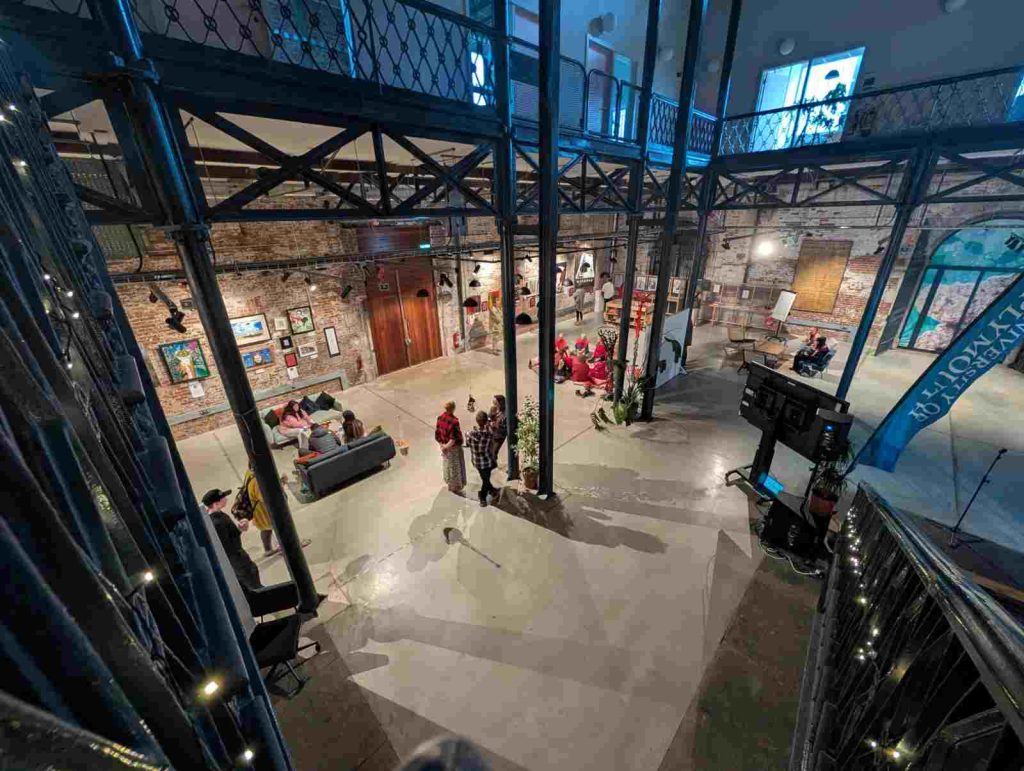
Market Hall, Duke Street, Devonport, Plymouth PL1 4PS

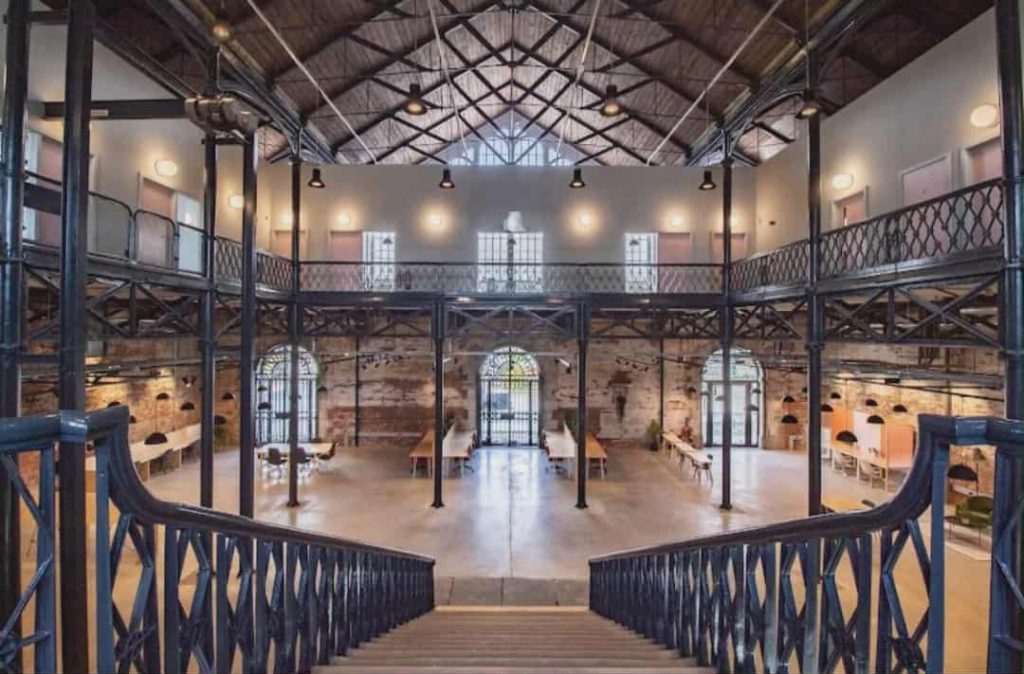


An exploration of approaches to domestic abuse and the justice system through research, policy, and systemic change.
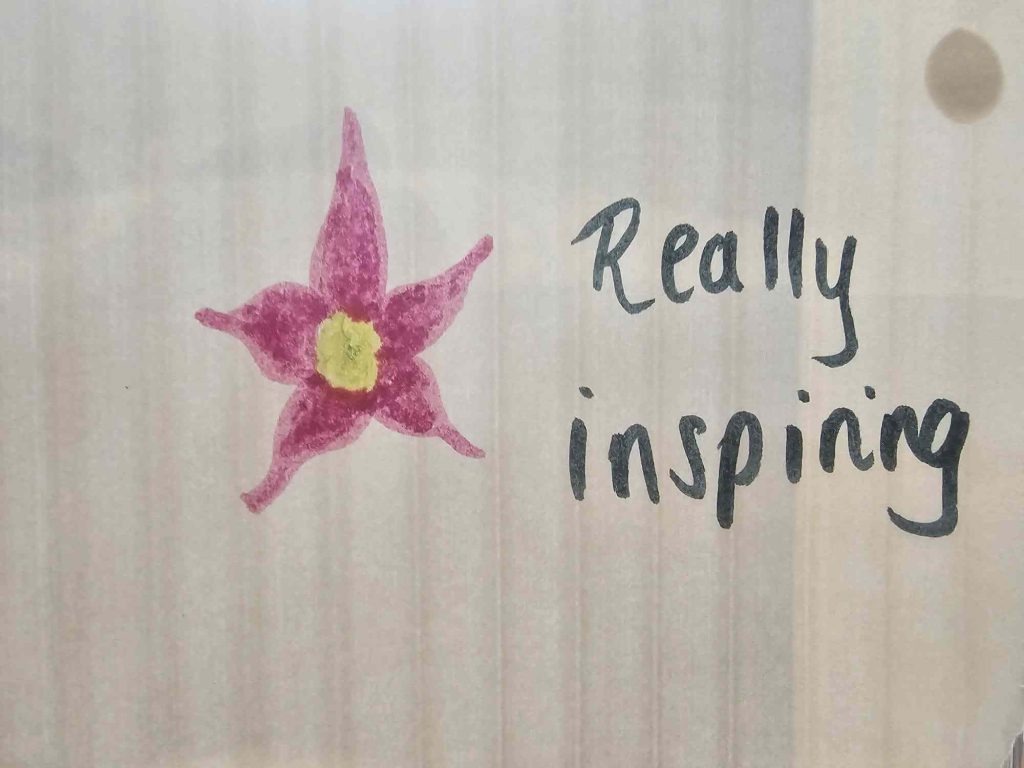
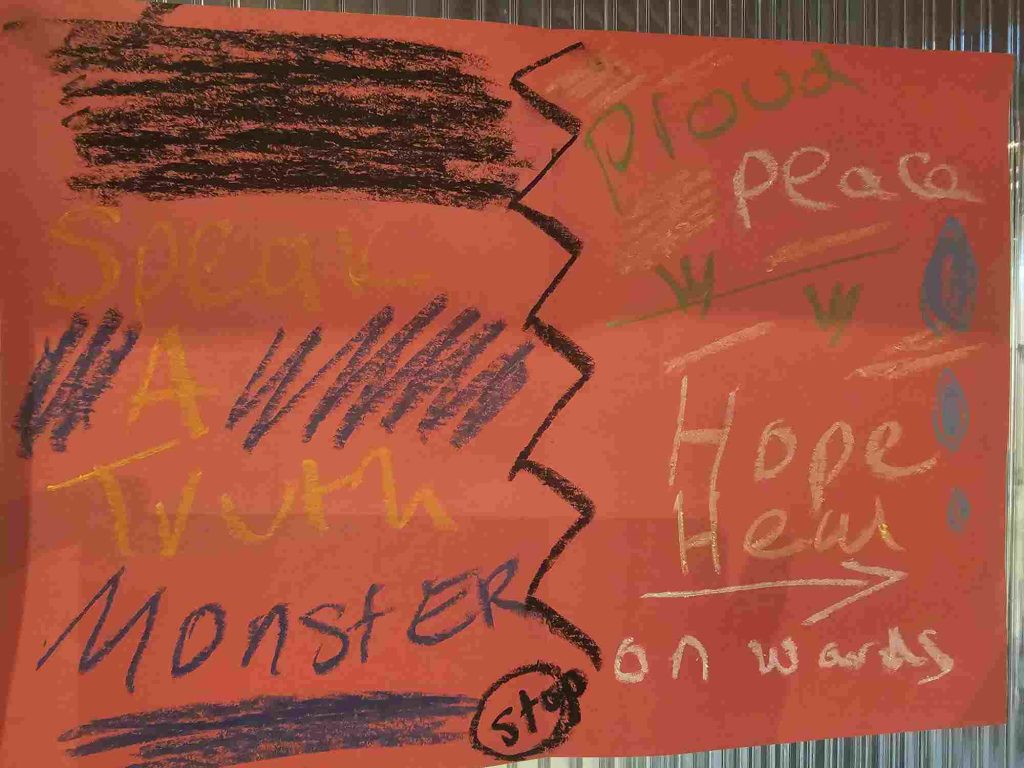
Delegate Responses to the Conference
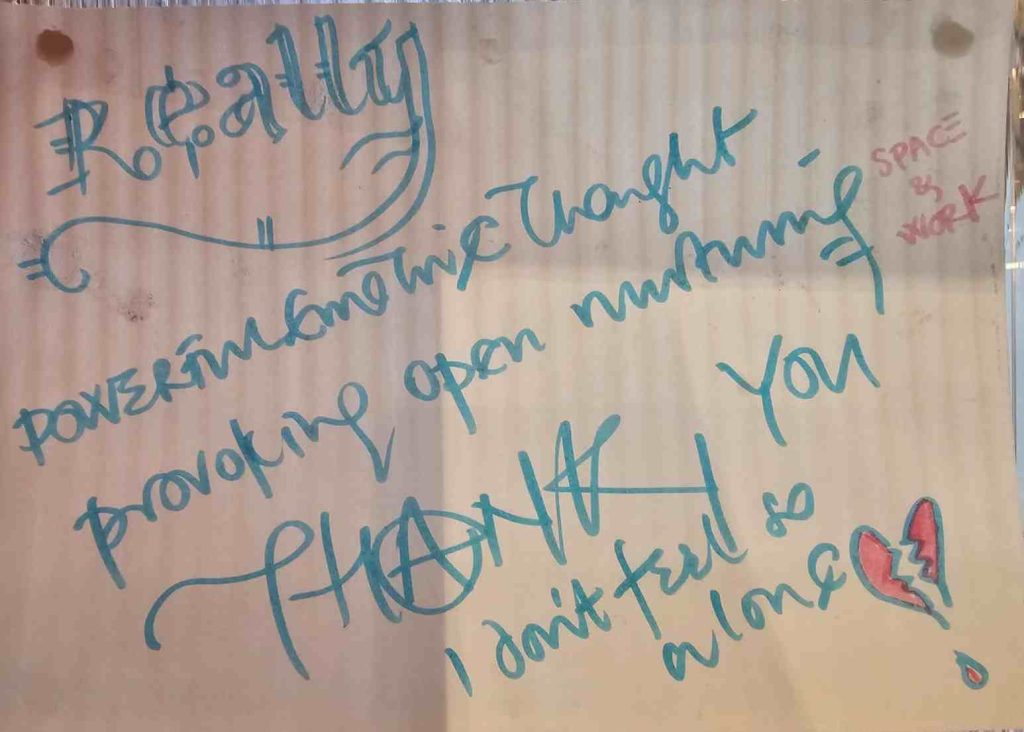
“I think this whole day illustrates how magical Becoming Arethusa is in giving a space which encourages and supports this community.”
“This should be shared far and wide. Take it to the top! Could commissioners/policy makers/magistrates take part in a workshop?”
“I will share the learning, language, changes and artwork with my FIT colleagues to support positively changing our practice.”
“We will take time in understanding the PTMF [Power Threat Meaning Framework] – work at the language we use and improve our assessments.”
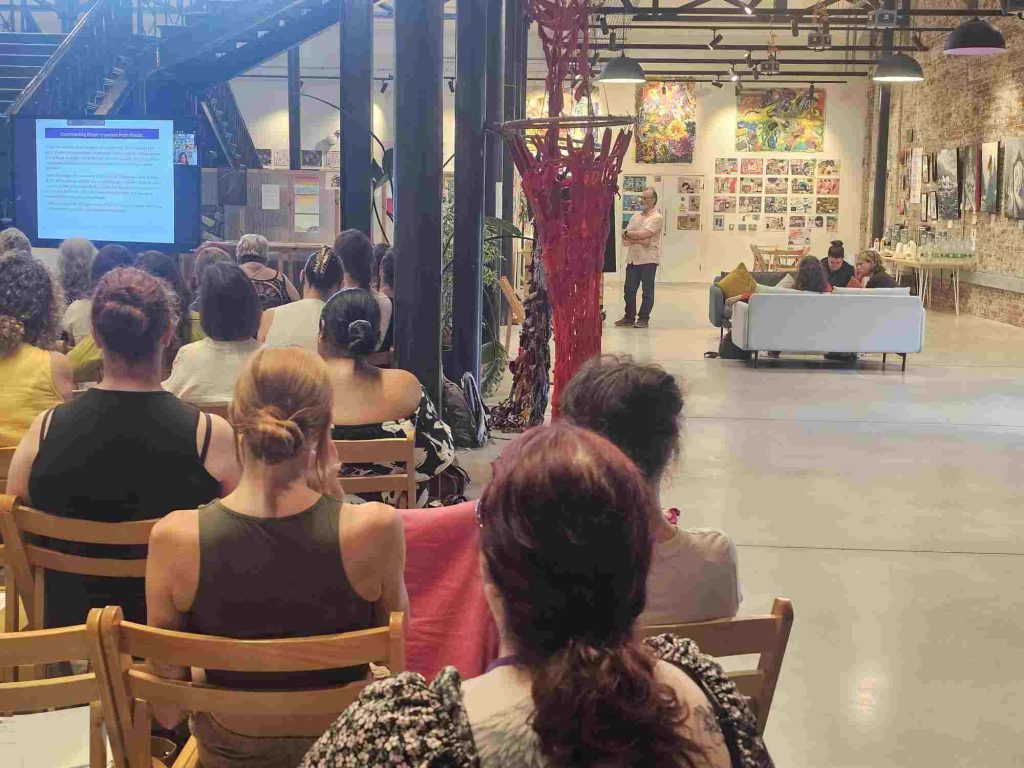
From Survival to Systemic Change was an interdisciplinary conference organised by Becoming Arethusa CIC, exploring institutional responses to domestic abuse and the urgent need for systemic change across safeguarding, family justice, health, education and public services.
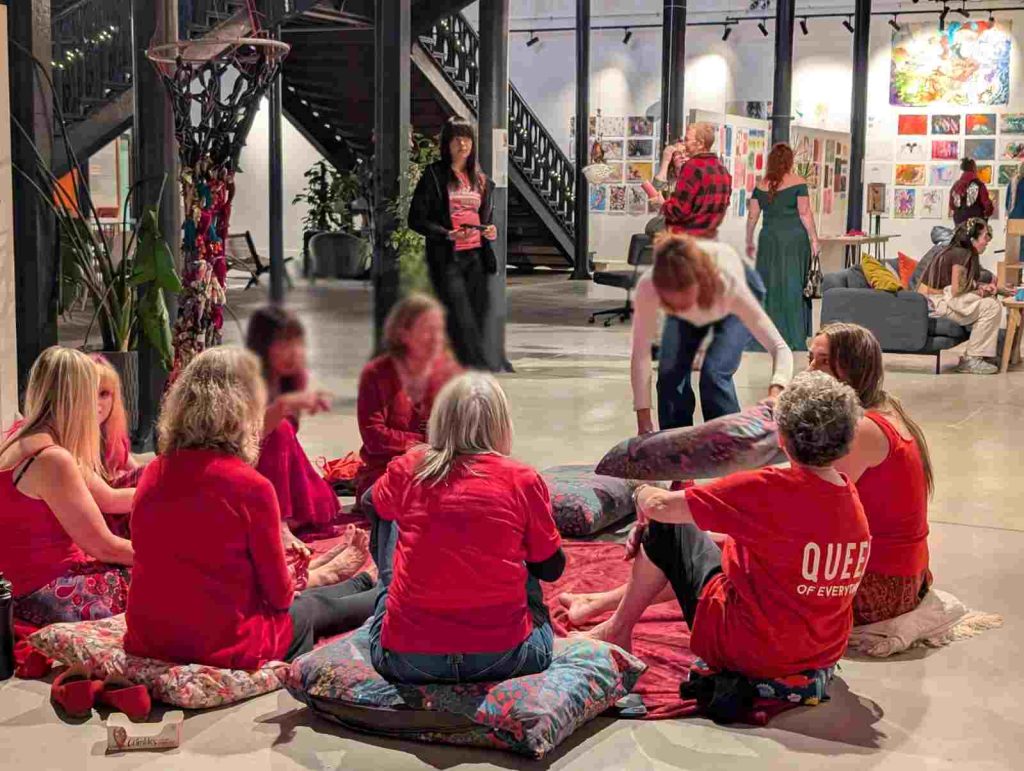
Bringing together approximately 175 delegates from more than 125 organisations, the conference created a space for researchers, practitioners, policymakers and those with lived experience to examine how domestic abuse is understood, responded to and too often minimised within professional systems.
Check out the event and speakers
The programme featured leading voices from research, safeguarding, family justice, domestic abuse advocacy and lived experience, including Dr Lucy Johnstone, Professor Lara Feigel and Dr Kim Heyes.
Five Key Themes
Five significant issues emerged throughout the day:
- Recognising coercive control: The need to identify patterns of abuse rather than treating incidents in isolation.
- Trauma-informed responses: Challenging the misinterpretation and pathologisation of trauma responses.
- Fragmented systems: Addressing failures in communication, accountability and information sharing between agencies.
- Institutional attitudes: Recognising how professional assumptions, victim-blaming and inadequate understanding can perpetuate harm.
- Survivor voice and systemic change: Ensuring lived experience meaningfully informs policy, professional training and institutional reform.
Outcomes and Impact
The conference generated significant professional engagement, new connections and opportunities for collaborative action.
One particularly important outcome was the connection between Barnardo’s and members of the Devon and Cornwall magistracy, creating an opportunity for specialist training on domestic abuse, coercive control and the experiences of children and non-harming parents within the family justice system.
The event also strengthened relationships between organisations working across safeguarding, research, domestic abuse support and social justice, opening further conversations about professional education and collaborative practice.
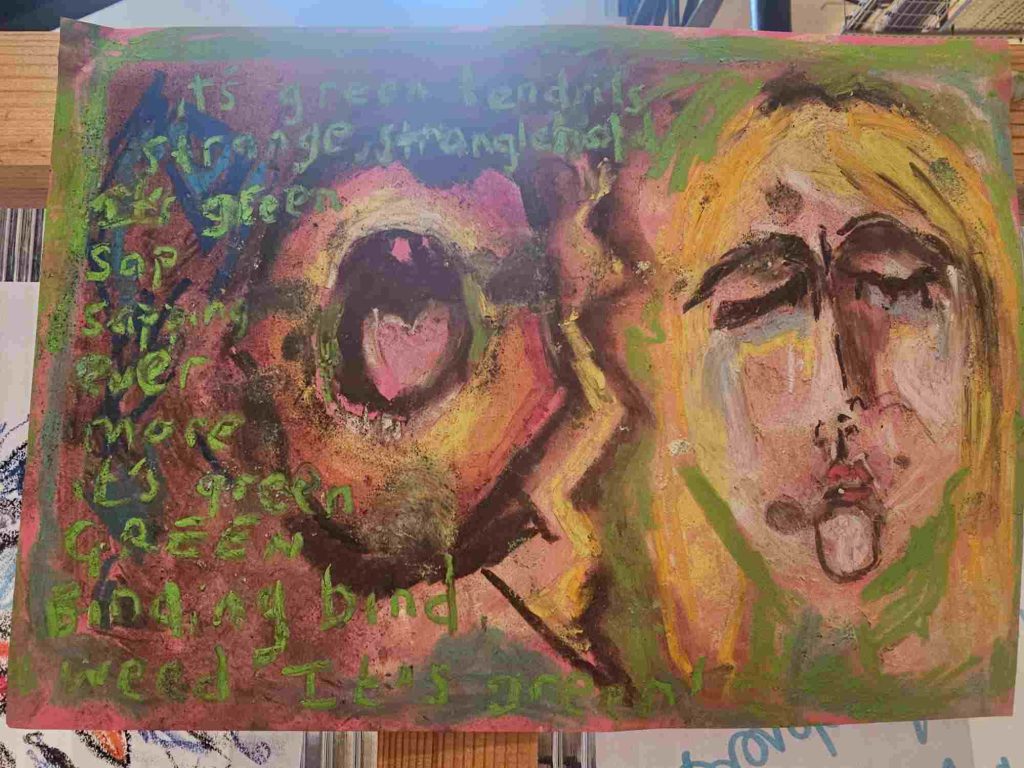
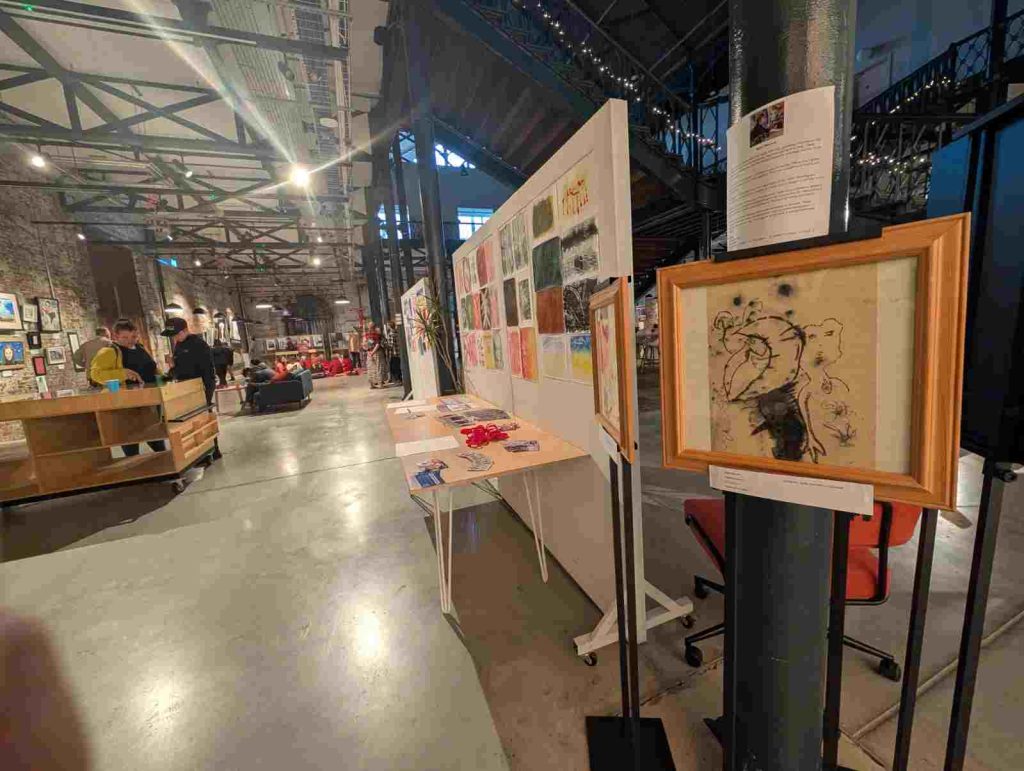
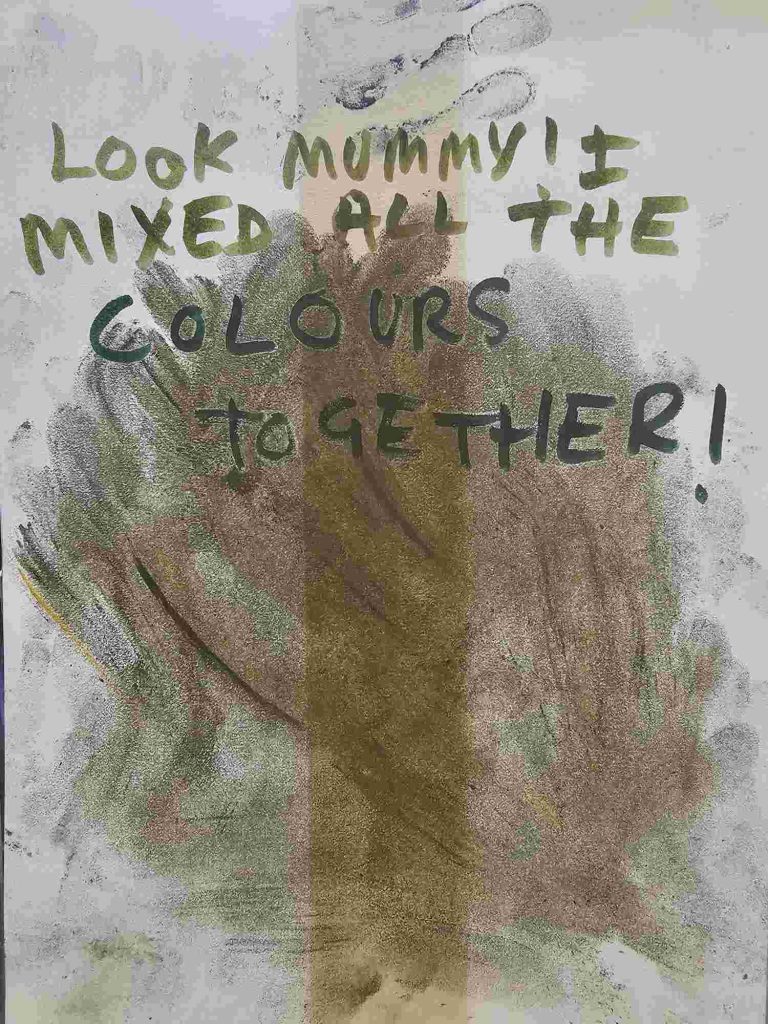
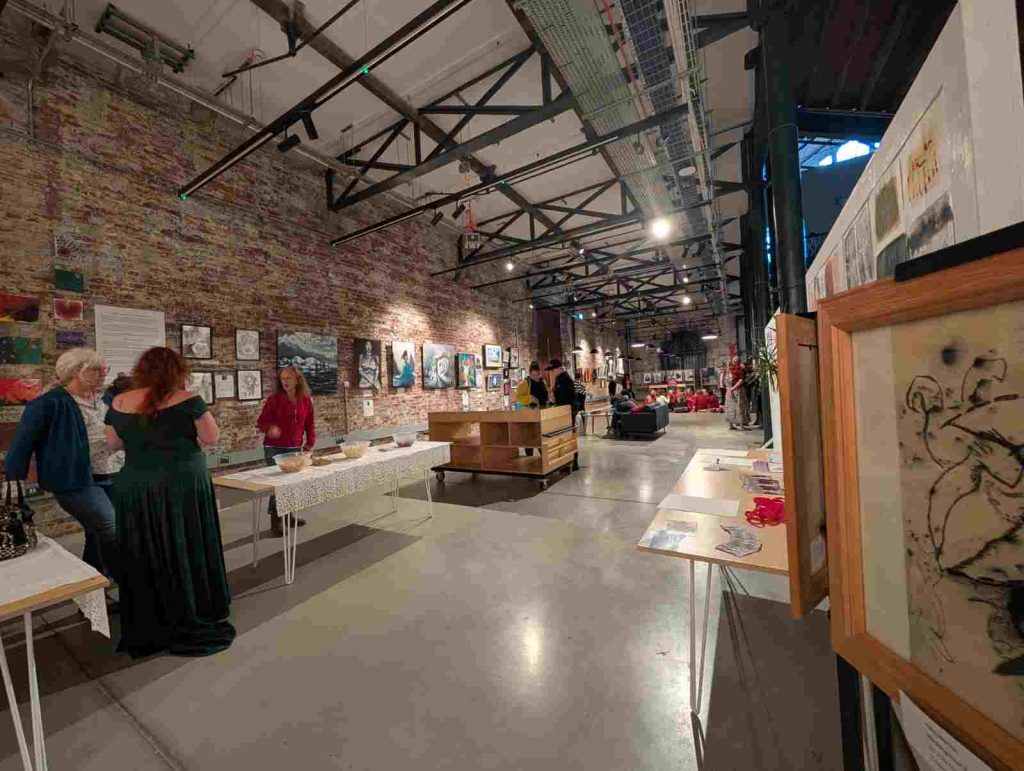
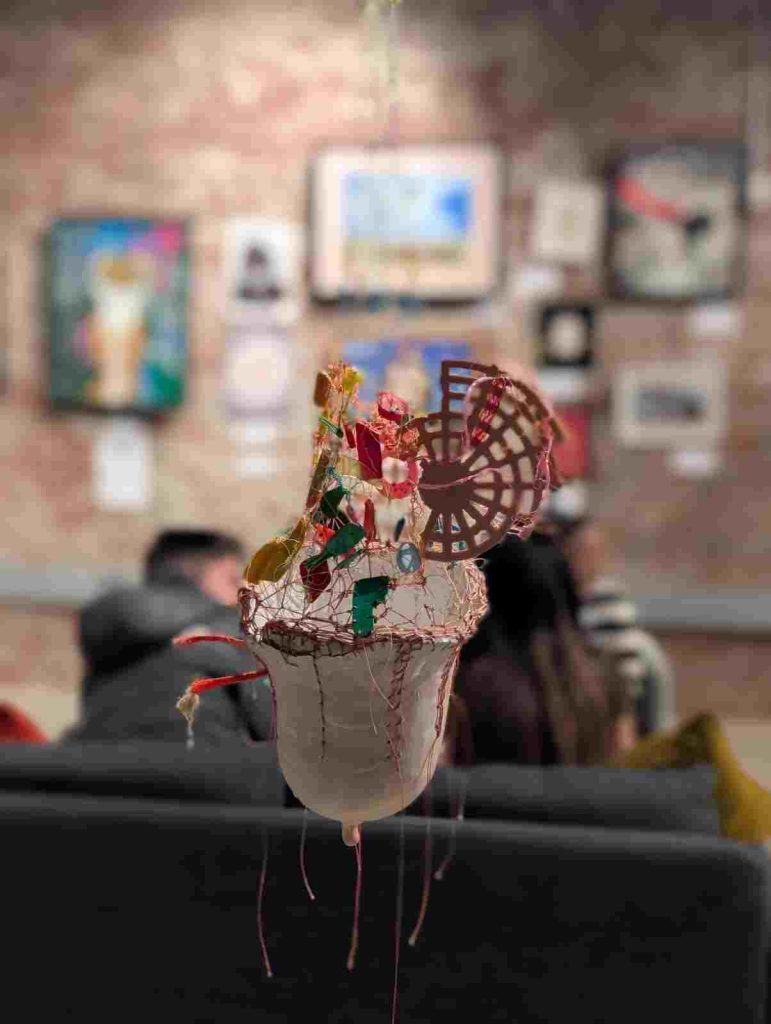
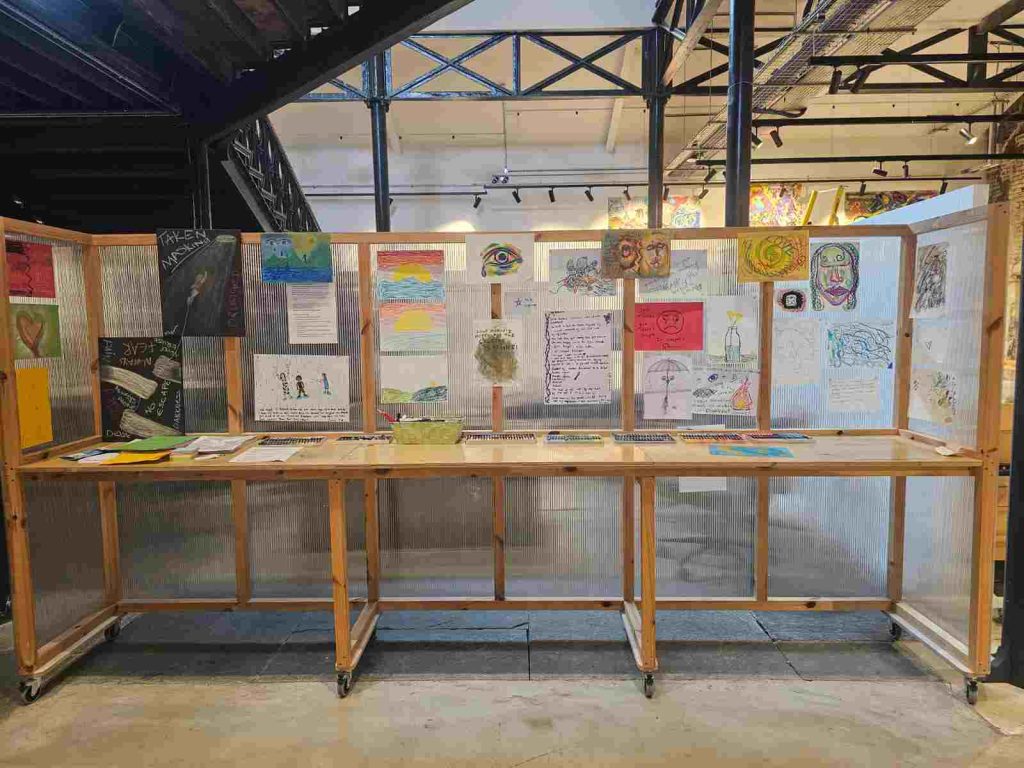
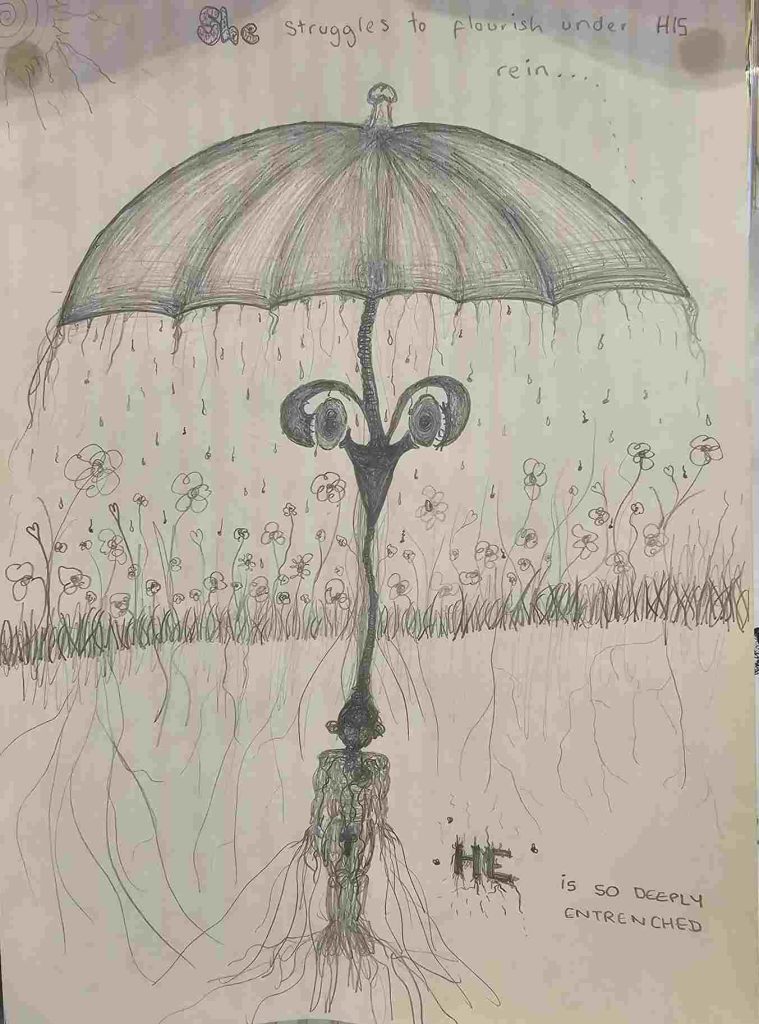
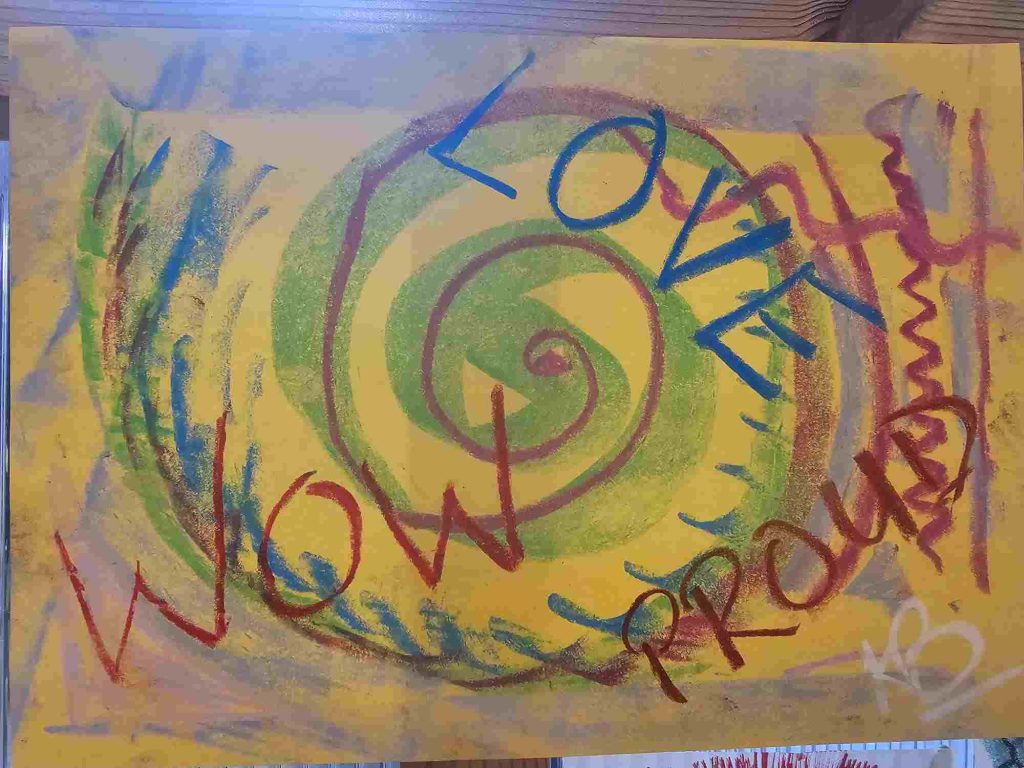
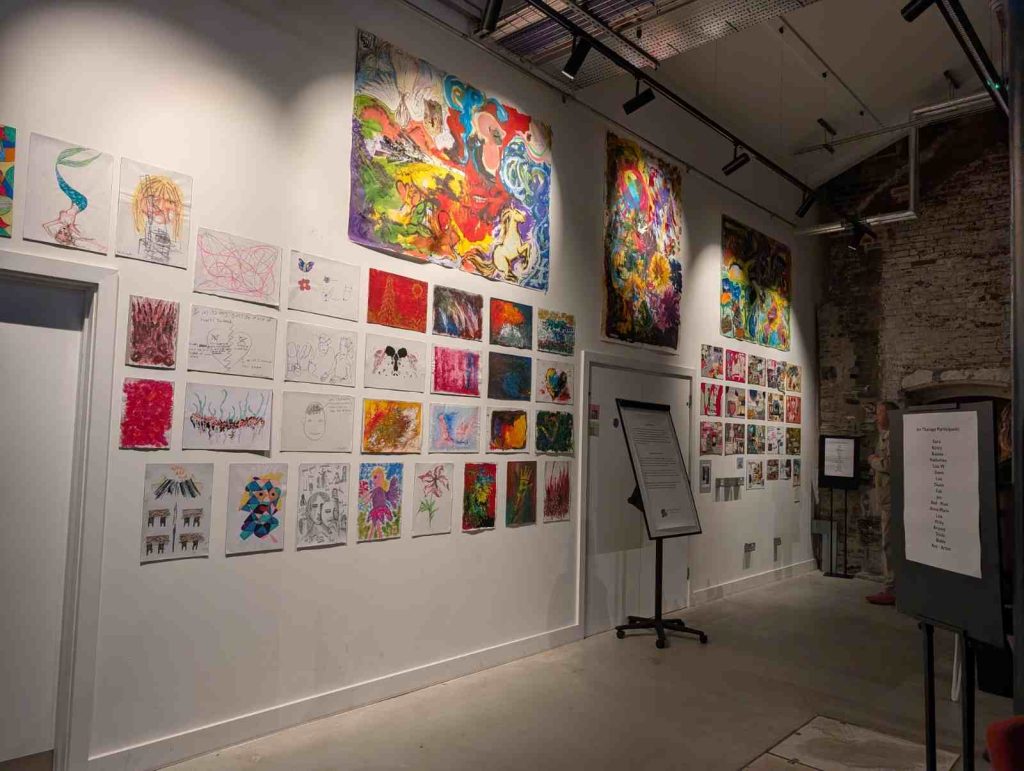
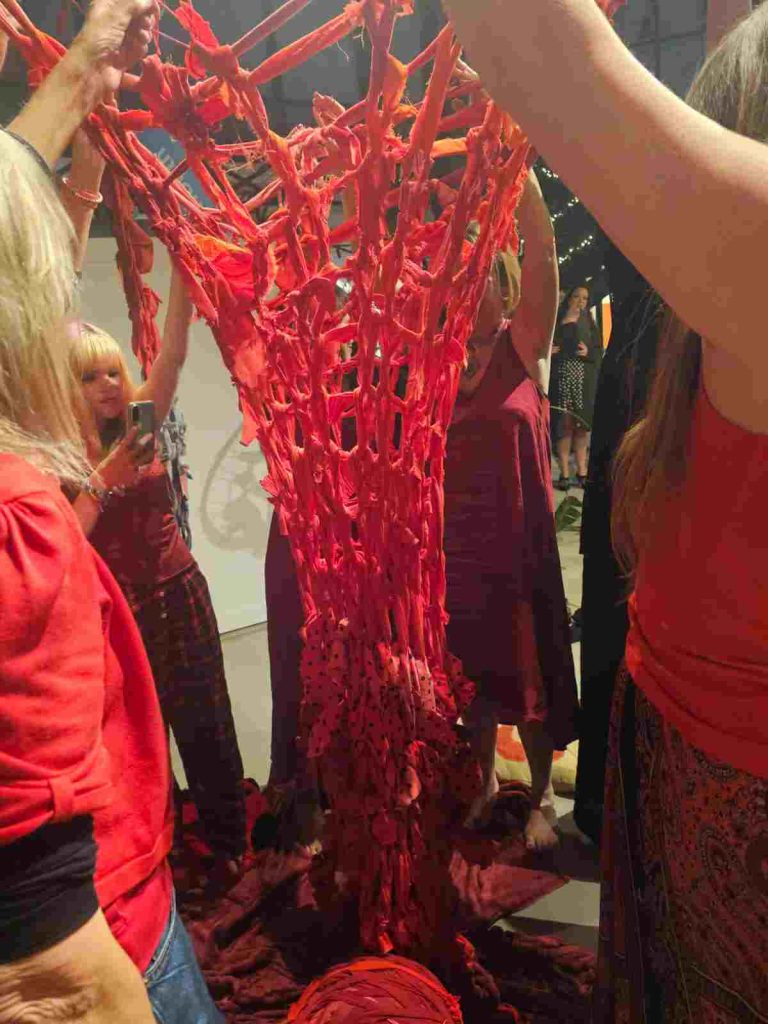
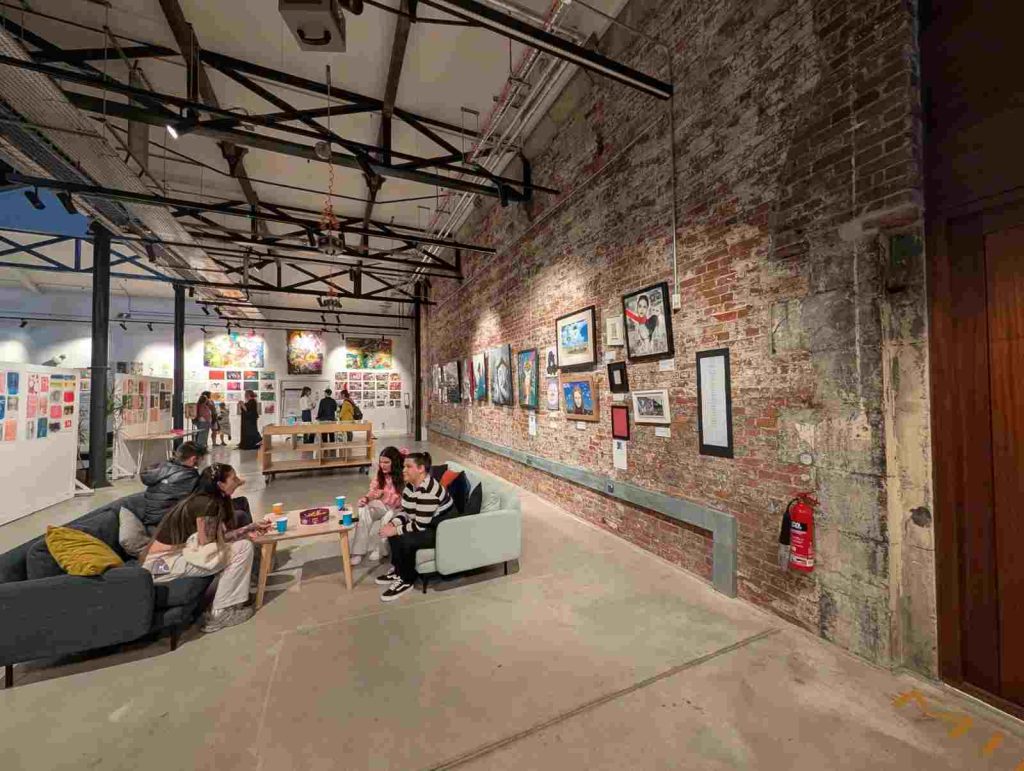
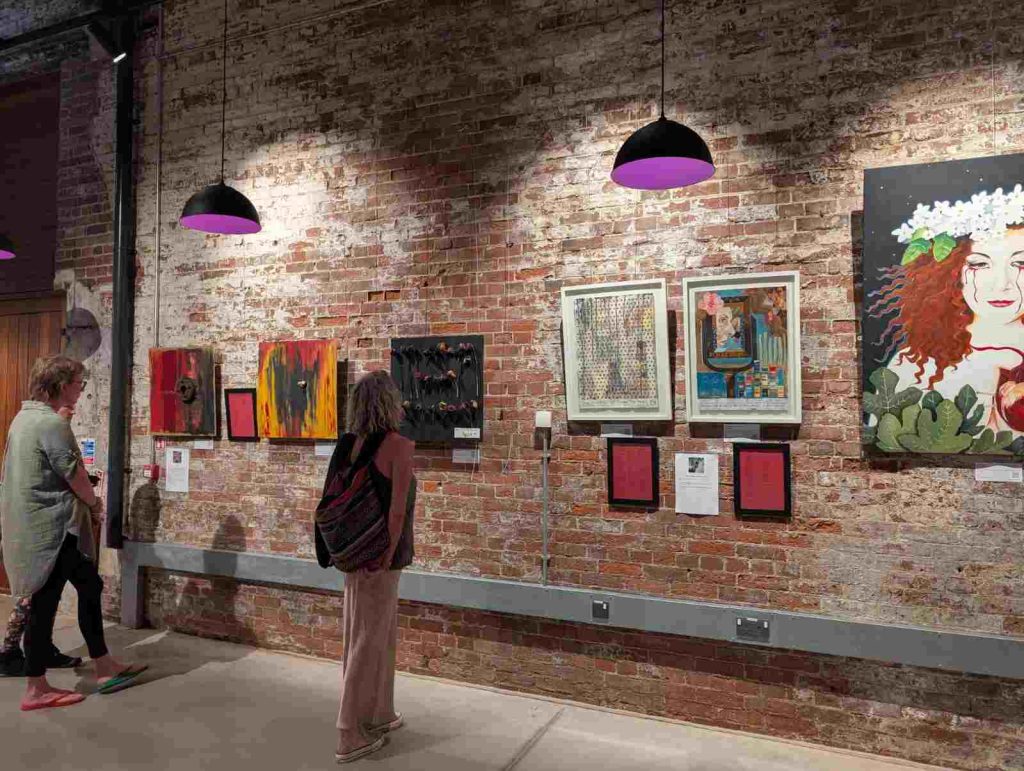
Delegates were invited to engage with In My Shoes, an accompanying exhibition featuring artwork by domestic abuse survivors alongside professional artists. The exhibition demonstrated how visual testimony can communicate experiences that are frequently misunderstood or overlooked within institutional settings.
Looking Forward
The conference reinforced the importance of bringing together academic research, professional expertise and lived experience to challenge established practices and improve responses to domestic abuse.
For Becoming Arethusa CIC, it represented an important milestone in our ongoing work developing Art Therapy for Social Justice, demonstrating the potential for art to move beyond therapeutic recovery and become a powerful means of communication, advocacy and professional learning.
The conversations and collaborations initiated during the event continue to inform our work across Devon and Cornwall.
17 – 27 June – In My Shoes: an Exhibition of Domestic Abuse Survivor Voices
Some content may be emotionally challenging.
Market Hall, Duke Street, Devonport, Plymouth PL1 4PS
In My Shoes

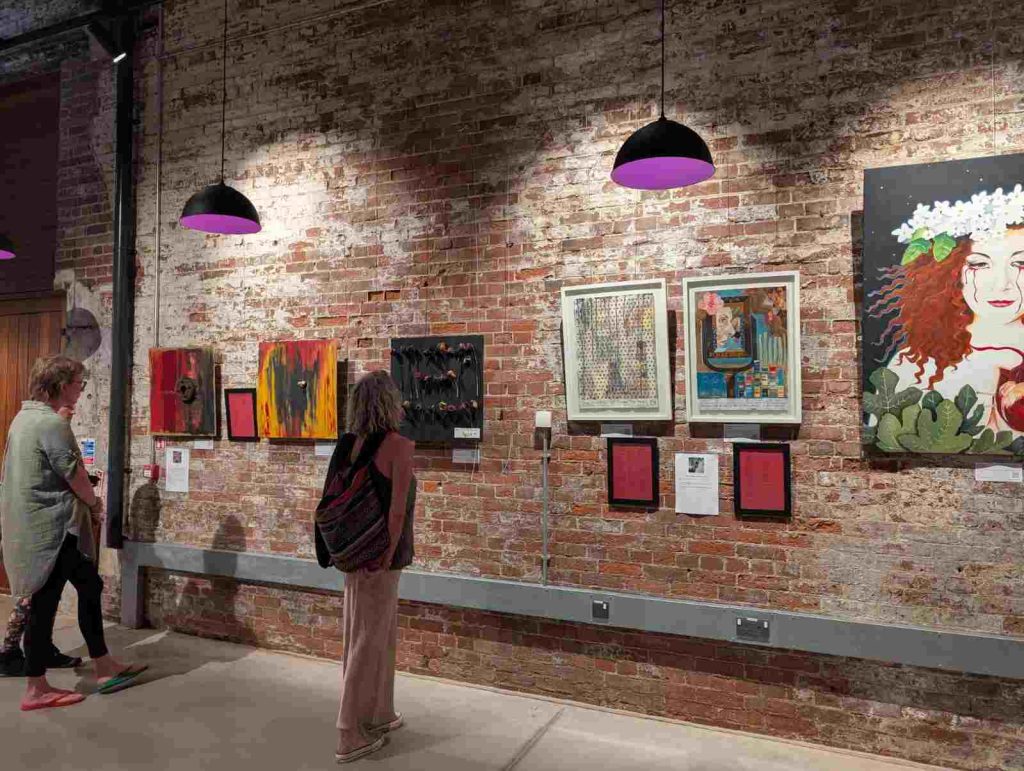
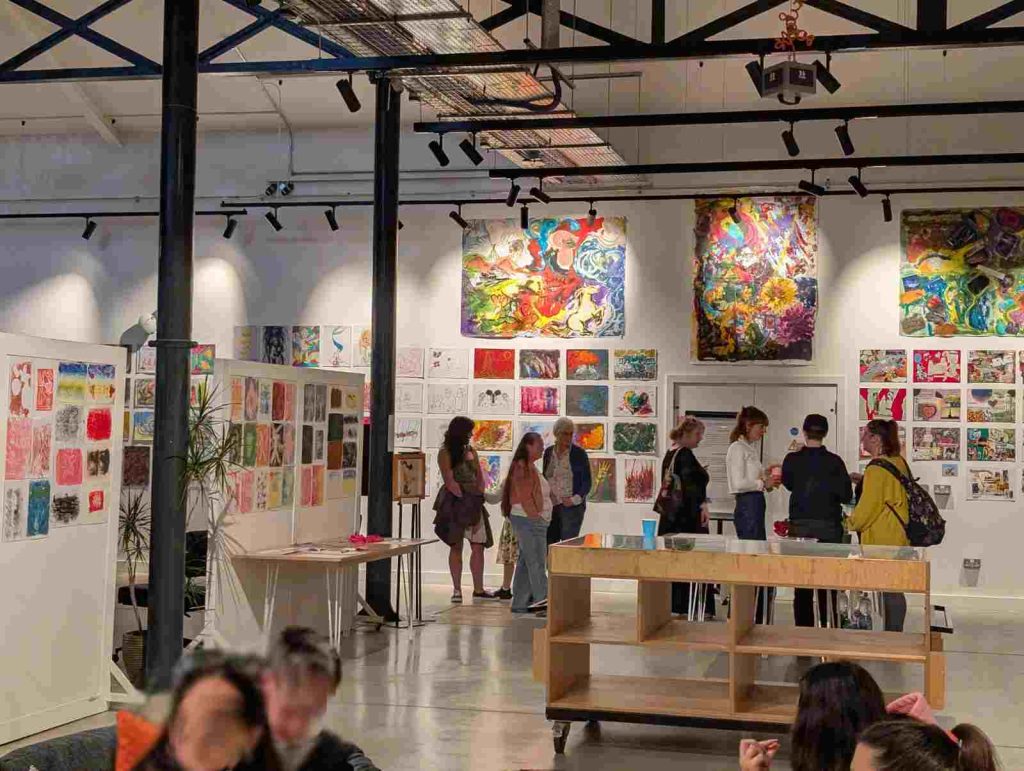








Conference Delegate Responses to “In My Shoes”
“The artwork was a powerful representation of so much untold struggles and stories. Lived experience is always important. Validating.”
“The pain, injustice and hope was palpable.”
“Creative displays land differently – they are received differently and are really vital in our growth in support services moving forwards.”
“The artwork and poems were inspiring, powerful reminders of stepping away from shame and into the pride of survival and strength.”
16–27 June 2026 | Market Hall, Devonport, Plymouth
In My Shoes was an exhibition developed by Becoming Arethusa CIC, bringing together artwork created by women who had experienced domestic abuse alongside work by professional artists exploring trauma, coercive control and psychological harm.
The exhibition presented personal experiences of domestic abuse through painting, collage, symbolism and visual storytelling, revealing not only the impact of abuse itself but also the consequences of navigating systems intended to provide protection. The works explored the loss of identity and autonomy, the psychological effects of coercive control, the silencing and discrediting of survivors, and the complex processes of recovery and reclaiming agency.
Rather than presenting survivors’ experiences through statistics, case studies or clinical interpretations, In My Shoes allowed women to communicate their experiences through their own visual language. Individual artworks revealed the emotional realities of abuse, while collectively highlighting recurring experiences of institutional misunderstanding, victim-blaming and the failure to recognise patterns of coercive control.
The exhibition accompanied Becoming Arethusa’s interdisciplinary conference, From Survival to Systemic Change, held on 26 June 2026. It brought survivor-created artwork into direct dialogue with professionals from family justice, safeguarding, healthcare, education, policing, academia and domestic abuse services.


By placing visual testimony alongside professional discussion, In My Shoes challenged audiences to consider how survivors are heard, believed and understood, and whether conventional institutional approaches adequately recognise the realities of trauma.
The exhibition demonstrated how art could extend beyond personal expression and therapeutic recovery to become a means of testimony, professional learning and social justice advocacy.